
Weight Loss Drugs Wegovy And Zepbound Set To Become Cheaper
Wegovy and Zepbound weight loss drugs may soon become cheaper and easier to access as shortages ease.
For years, popular weight loss drugs like Wegovy and Zepbound have been defined by high prices, limited supply, and weekly injections, keeping them out of reach for many patients. That may soon change. Industry experts and health officials say access to these medications is expected to improve significantly, with broader availability and potentially lower costs on the horizon.
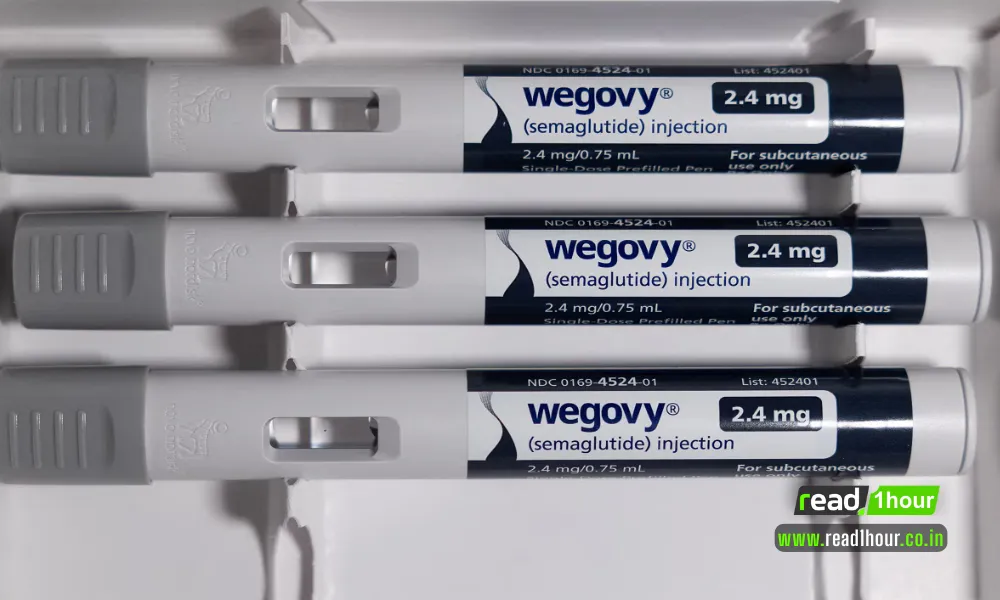
Wegovy and Zepbound belong to a class of medications known as GLP-1 drugs, originally developed to treat diabetes but later found to be highly effective for weight loss. Demand surged rapidly as clinical trials showed patients losing significant body weight over time. However, supply shortages, insurance barriers, and monthly costs often exceeding hundreds of dollars created frustration for both patients and doctors. Pharmaceutical manufacturers are now expanding production capacity after months of backlogs. New manufacturing facilities and improved supply chains are expected to reduce shortages that plagued pharmacies throughout the past two years. Analysts say this shift could stabilize availability, allowing more patients to start and maintain treatment without interruptions.
Affordability is also improving. Several insurance providers are reassessing coverage policies for weight loss medications as obesity-related health costs continue to rise. Employers and health plans increasingly view these drugs as long-term investments that may reduce future expenses linked to heart disease, diabetes, and joint disorders. As coverage expands, out-of-pocket costs for patients could drop substantially.
Competition within the pharmaceutical market is another key factor driving change. With multiple drugmakers developing similar GLP-1 and next-generation weight loss treatments, pricing pressure is expected to increase. Experts predict that new alternatives entering the market could push manufacturers to offer discounts, patient assistance programs, or revised pricing models.
Doctors caution, however, that easier access does not mean these drugs are suitable for everyone. Wegovy and Zepbound still require medical supervision and lifestyle adjustments, including diet and physical activity changes. Side effects such as nausea and digestive discomfort remain common, particularly during early treatment phases.
Healthcare professionals also emphasize that long-term use and sustainability remain areas of ongoing research. While results have been promising, experts stress the importance of continued studies on safety, maintenance, and outcomes once patients stop taking the medication. Public interest in weight loss drugs continues to grow, fueled by social media discussions and celebrity disclosures. Still, doctors urge patients to rely on medical advice rather than online trends when considering treatment options.
As production scales up and coverage expands, the weight loss drug market is entering a new phase—one focused on accessibility, affordability, and long-term care. For millions struggling with obesity, this shift could mark a turning point in how weight management is treated within modern healthcare.