
U.S. Seizes Oil Tanker Near Venezuela Amid Rising Tensions With Maduro
U.S. seizes an oil tanker near Venezuela, escalating sanctions pressure and increasing tensions with the Maduro regime.
In a sharp escalation of geopolitical tensions, the United States has seized an oil tanker operating off the coast of Venezuela, marking the latest move in Washington’s ongoing pressure campaign against President Nicolás Maduro’s regime. The incident, confirmed by U.S. officials on Wednesday, highlights the deepening conflict between the two nations over sanctions, oil exports, and political legitimacy.
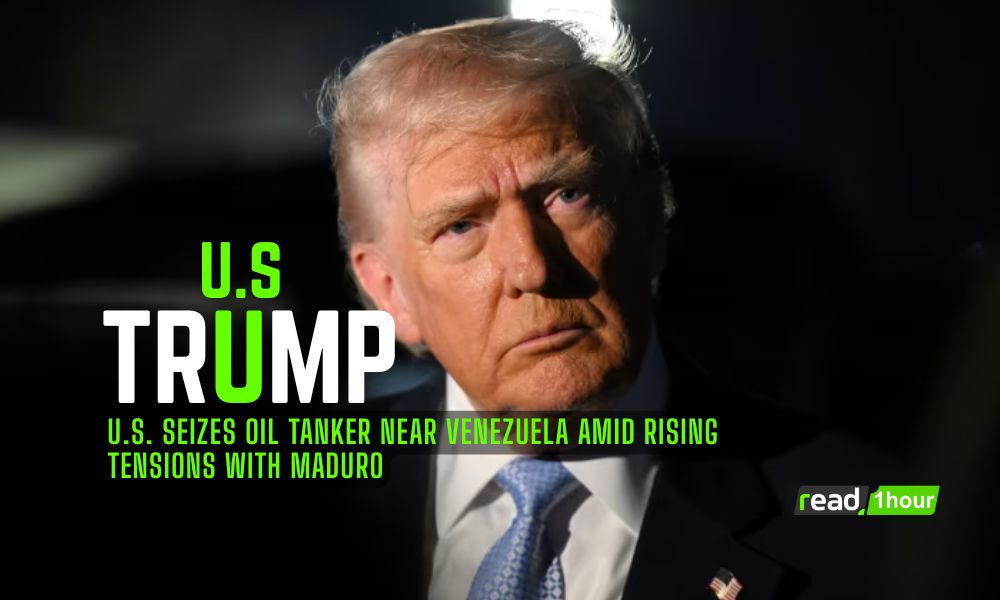
According to sources familiar with the operation, the tanker was intercepted in international waters near Venezuela after U.S. authorities alleged it was transporting sanctioned crude linked to Maduro’s state-run oil network. Washington argues that such shipments violate existing sanctions designed to limit the regime’s ability to generate revenue through illicit oil sales. This latest action comes at a time when Venezuela’s economic crisis continues to worsen, with inflation soaring and essential supplies remaining scarce. The Maduro administration has repeatedly condemned U.S. sanctions, accusing Washington of economic warfare, while insisting the country has sovereign rights to trade its natural resources.
U.S. officials, however, maintain that targeted sanctions are crucial to pressuring Maduro into holding free and fair elections. They argue that Venezuela’s oil network has long been used to finance corruption, political repression, and networks tied to organized crime. By seizing vessels engaged in sanctioned trade, the U.S. aims to choke off revenue channels that have helped sustain Maduro’s grip on power.
Analysts say the seizure could further complicate diplomatic efforts, as countries aligned with Caracas – including Russia, Iran, and China – have shown willingness to support Venezuela’s oil operations despite sanctions. The Biden administration has been attempting a careful balancing act, combining pressure tactics with selective diplomatic engagement. This latest tanker seizure signals a shift back toward a more forceful enforcement strategy.
For Venezuela, the impact is immediate. The country’s oil production, already at historic lows, has depended heavily on discreet shipments to sympathetic nations and private buyers willing to risk sanctions. Each seizure heightens that risk, making it harder for the government to maintain even minimal export levels.
International law experts note that tanker seizures in open waters are rare and often politically charged. The U.S. has defended its actions under sanctions authority and maritime enforcement powers, though Venezuela has called the move “illegal” and “hostile.” Maduro’s government has demanded the tanker’s release and promised retaliation through diplomatic channels.
This incident also puts pressure on global energy markets, which remain sensitive to international conflict near key oil-producing regions. While Venezuela no longer plays the dominant role in global oil supply that it once did, any geopolitical disruption involving major producers can influence investor sentiment. As the situation unfolds, the seizure represents a symbolic and strategic escalation. It underscores Washington’s determination to maintain leverage over the Maduro regime and signals to international partners that sanctions enforcement remains a top priority. With tensions rising again, both nations now brace for the next phase in a long-running geopolitical standoff that shows no signs of easing.