
U.S. Oil Pressure On Venezuela Deepens Cuba’s Energy And Economic Crisis
U.S. oil pressure on Venezuela cuts fuel supplies to Cuba, worsening blackouts and pushing the island toward economic crisis.
Tightening U.S. oil blockade on Venezuela is sending shockwaves far beyond Caracas, pushing Cuba toward a deeper economic and energy crisis that many analysts now describe as approaching collapse. As Venezuelan crude shipments slow, Havana is facing severe fuel shortages that are crippling daily life, industry, and essential public services across the island.
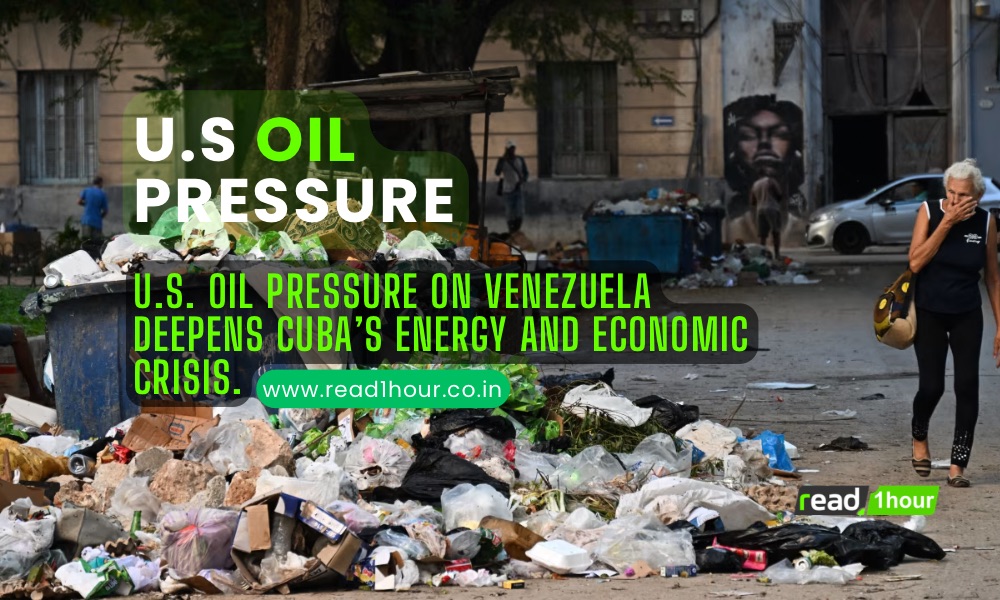
For decades, Cuba has relied heavily on subsidized oil supplies from Venezuela under bilateral agreements that exchanged energy for medical and technical support. However, renewed U.S. restrictions targeting Venezuela’s oil exports have sharply reduced these flows. The impact on Cuba has been swift and painful, exposing the island’s vulnerability to external energy shocks.
In recent weeks, Cuban authorities have implemented widespread power rationing as fuel supplies dwindle. Blackouts lasting several hours have become routine in major cities, including Havana. Transportation networks are struggling, factories are slowing production, and food distribution systems are facing delays due to fuel scarcity.
Economists warn that the crisis comes at a particularly dangerous moment for Cuba. The country is already grappling with high inflation, food shortages, declining tourism revenue, and a shrinking labor force driven by migration. The loss of Venezuelan oil has intensified these pressures, leaving the government with limited options to stabilize the economy.
U.S. officials say the oil measures are aimed at pressuring Venezuela’s leadership, not Cuba. However, critics argue that the policy’s indirect effects are falling hardest on ordinary Cubans. Analysts note that while Venezuela has alternative buyers for its oil, Cuba lacks the financial resources to secure replacement supplies on the open market.
Cuban officials have blamed the United States for worsening the humanitarian situation, calling the energy crisis a consequence of broader economic isolation. In state media, leaders have urged citizens to conserve electricity and fuel, framing the hardship as a temporary sacrifice amid external pressure. Still, public frustration is growing as shortages persist.
The situation has also raised concerns about regional stability. Energy experts warn that prolonged disruptions could further weaken Cuba’s healthcare system, public transportation, and food production capabilities. Hospitals and water treatment facilities are among the sectors most affected by unreliable power supplies.
International observers say the crisis highlights how interconnected geopolitical decisions can trigger unintended consequences. Venezuela’s declining oil output, combined with sanctions pressure, has created ripple effects across the Caribbean, with Cuba bearing the brunt due to its dependence on subsidized fuel.
Despite diplomatic outreach to allies such as Russia and some Middle Eastern suppliers, Cuba has struggled to secure consistent energy alternatives. Any new supply deals would require hard currency, which remains scarce due to reduced exports and limited foreign investment.
As the U.S. oil pressure on Venezuela continues, analysts say Cuba’s outlook remains uncertain. Without a steady energy lifeline or economic relief, the country faces mounting risks of deeper social unrest, prolonged blackouts, and further economic contraction in the months ahead.