
US Imposes New Sanctions Targeting Maduro Family and Venezuela Oil Network
US announces new sanctions against Maduro’s family and Venezuela oil tankers, tightening pressure on the government’s financial network.
United States has announced a fresh round of sanctions targeting individuals connected to Venezuelan President Nicolás Maduro and several Venezuela-linked oil tankers, marking another escalation in Washington’s pressure campaign against the South American nation. The move is aimed at tightening financial restrictions on Maduro’s inner circle and disrupting illicit oil operations that U.S. officials say have helped sustain the government despite ongoing political and economic turmoil.
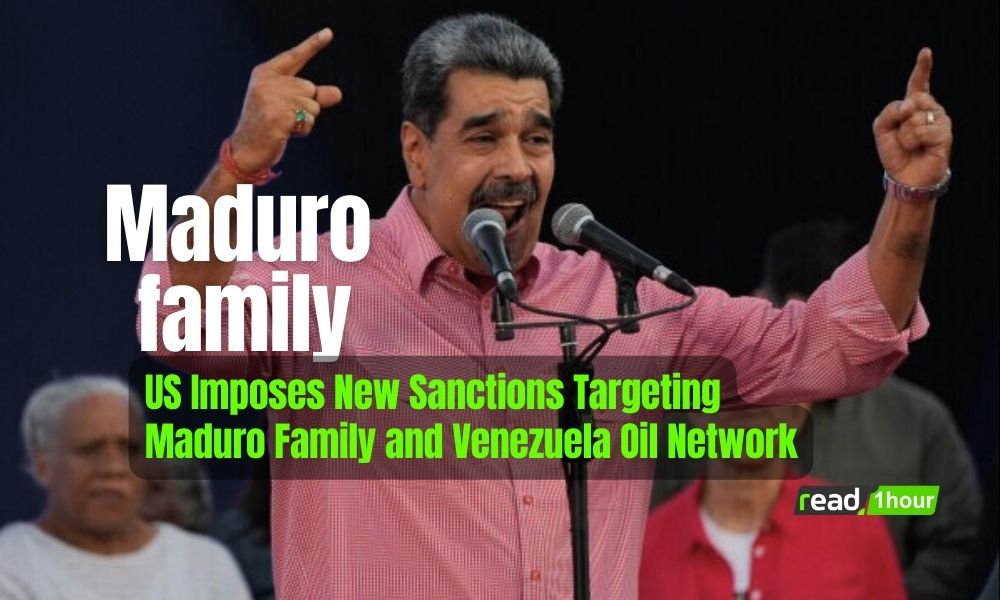
According to the U.S. Treasury Department, the new sanctions focus specifically on Maduro’s close family members and associates, who are accused of facilitating corruption, evading international restrictions, and enabling the Venezuelan government’s continued hold on power. Several oil tankers allegedly involved in transporting sanctioned Venezuelan crude to foreign markets have also been added to the blacklist.
Officials say these tankers played a key role in helping the Maduro government move oil through covert routes, often involving ship-to-ship transfers and falsified documentation. By sanctioning these vessels, the U.S. aims to disrupt the revenue streams that Caracas relies on amid one of the world’s worst economic collapses.
Treasury Department emphasized that the sanctions are part of a broader effort to “hold accountable those who enable authoritarian practices and corruption.” The Biden administration has maintained that loosening sanctions will only come after Venezuela shows verifiable progress toward democratic reforms—particularly free and fair elections.
And the latest wave of penalties comes as U.S.–Venezuela relations remain tense. While temporary relief measures were granted last year to encourage political dialogue, the U.S. has since reimposed tougher restrictions, citing the Maduro government’s failure to meet its commitments, including releasing political prisoners and ensuring transparent electoral processes.
International analysts say the new sanctions signal a shift back toward a harder stance, especially as Washington seeks to limit the flow of Venezuelan oil to global markets. The sanctions could also have broader implications for countries and companies that continue to trade with Venezuela, increasing the risk of secondary penalties. And Venezuelan government condemned the U.S. actions, calling them “illegal unilateral measures” intended to destabilize the country. State officials argue that sanctions worsen humanitarian conditions and violate international law. However, critics of Maduro maintain that corruption and mismanagement—not sanctions—are primarily responsible for Venezuela’s prolonged crisis.
Global energy experts note that the targeting of oil tankers could create logistical challenges within Venezuela’s already strained petroleum sector. The country’s exports have fluctuated dramatically over recent years due to infrastructure breakdowns, political instability, and international pressure. Further restrictions may limit the options available for moving crude to foreign buyers.
With political tensions rising and diplomatic pathways narrowing, the new sanctions highlight Washington’s continued commitment to isolating the Maduro regime. The coming months will reveal whether increased pressure can lead to meaningful change or further complicate the already complex geopolitical landscape surrounding Venezuela.