
Trump Administration Expands Sanctions On ICC Judges Amid Israel War Dispute
Trump administration sanctions two more ICC judges over Israel probes, deepening tensions with international court and allies.
Trump administration has imposed sanctions on two additional judges of the International Criminal Court (ICC), escalating tensions between the United States and the Hague-based tribunal over its investigations related to Israel’s military actions. The move marks a significant expansion of Washington’s opposition to the court’s authority and signals a tougher stance on international legal scrutiny involving U.S. allies.
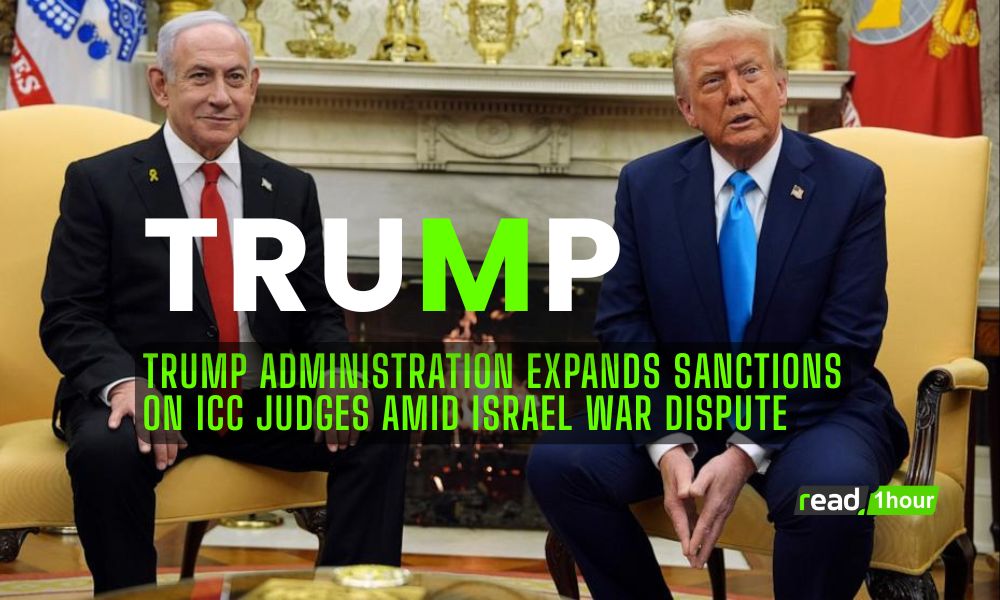
According to senior U.S. officials, the newly sanctioned judges were targeted for their role in advancing ICC proceedings that the administration claims unfairly single out Israel. The sanctions include travel restrictions and the freezing of any U.S.-based assets, effectively barring the judges from engaging with American institutions. Officials emphasized that the decision was taken to protect Israel and prevent what they described as “politically motivated prosecutions.”
In a statement, the U.S. State Department reiterated that the United States does not recognize the ICC’s jurisdiction over Israel, which is not a member of the court. The administration argued that the tribunal lacks legal authority to investigate Israeli officials and warned that further actions could follow if the ICC continues its inquiries.
International Criminal Court responded by expressing concern over the sanctions, calling them an attempt to undermine judicial independence. ICC representatives stated that judges act independently and based solely on international law, not political considerations. Human rights organizations also criticized the move, arguing that targeting judges threatens the global justice system and weakens accountability for alleged war crimes.
This is not the first time the Trump administration has sanctioned ICC officials. Earlier measures were imposed on prosecutors and other court personnel, drawing strong reactions from European allies. Several governments, including those of France and Germany, have reaffirmed their support for the ICC, emphasizing its role in upholding international law and human rights.
Legal analysts say the sanctions highlight a growing divide between the United States and international institutions. While supporters of the administration argue the move defends national sovereignty and allied interests, critics warn it could set a dangerous precedent by politicizing international justice mechanisms. The issue has also reignited debate within the United States about the country’s role in global accountability efforts. Lawmakers from both parties remain divided, with some backing the administration’s approach and others urging renewed engagement with international partners.
As tensions continue, the ICC has signaled it will proceed with its work despite external pressure. Observers say the confrontation could have lasting implications for U.S. diplomatic relations and the future credibility of international legal institutions.
With the Middle East conflict remaining highly sensitive, the sanctions underscore how legal, political, and diplomatic battles are increasingly intertwined on the global stage.