
RFK Jr. Unveils New Federal Rules Impacting Care For Transgender Youth
RFK Jr. announces proposed federal rules affecting transgender youth healthcare, sparking debate among doctors, advocates, and policymakers.
Robert F. Kennedy Jr. has announced a new set of proposed federal rules aimed at regulating medical care for transgender youth, a move that has immediately sparked nationwide debate among healthcare professionals, advocacy groups, and lawmakers. The announcement places youth gender-related healthcare back at the center of America’s cultural and political conversation.
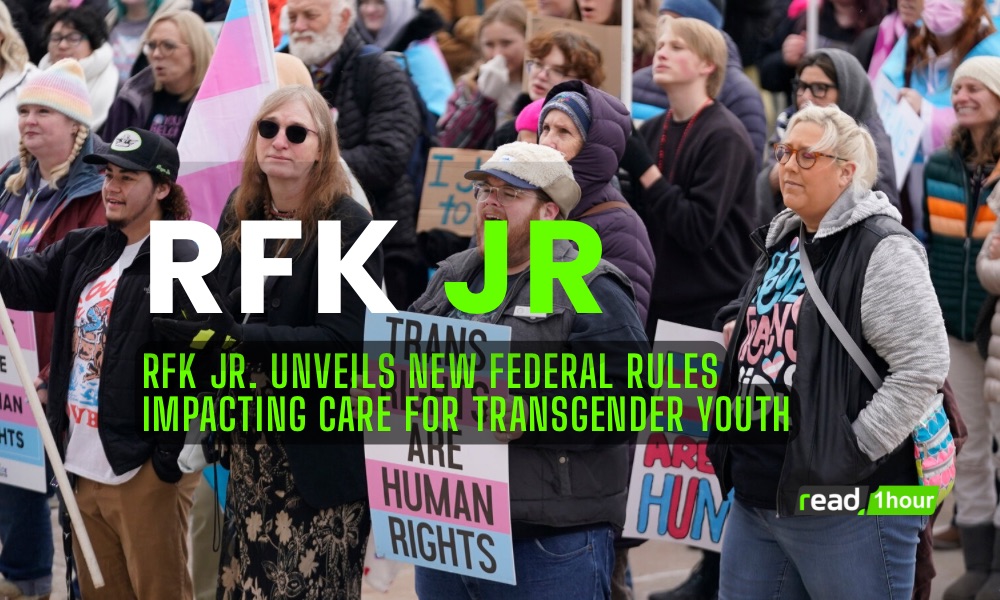
According to Kennedy, the new rules are designed to introduce stricter oversight, expanded reporting requirements, and clearer federal standards for treatments involving minors. Speaking during a policy briefing, RFK Jr. said the measures focus on what he described as “medical caution, long-term health review, and informed consent,” emphasizing that the intent is to protect young patients rather than restrict identity.
The proposed framework would apply to healthcare providers receiving federal funding and could affect how certain medical interventions for transgender minors are evaluated and approved. While specific enforcement mechanisms are still being finalized, officials said the rules would require additional documentation, parental involvement protocols, and periodic treatment reviews.
Supporters of the move argue that the healthcare system needs clearer national guidelines. Some medical experts say the lack of uniform standards across states has created confusion for families and providers alike. They believe the proposed rules could reduce inconsistencies and improve long-term data collection on youth healthcare outcomes.
However, critics warn that the changes may limit access to care and create additional barriers for transgender youth already facing mental health challenges. Advocacy organizations expressed concern that stricter federal oversight could delay treatment decisions and increase stress for families seeking timely medical guidance.
Several national medical associations responded cautiously, calling for evidence-based policy discussions. They stressed the importance of including pediatric specialists, mental health professionals, and families in the rule-making process. Experts also emphasized that youth healthcare decisions are often complex and individualized.
The announcement arrives amid a broader national debate over healthcare authority, parental rights, and federal involvement in medical decision-making. Over the past few years, states have taken sharply different approaches, leading to legal challenges and policy disputes across the country.
Political analysts note that RFK Jr.’s move could have long-term implications beyond healthcare. The issue is likely to influence upcoming legislative discussions and court challenges, particularly as federal agencies prepare to interpret and enforce the new guidelines.
Public reaction has been swift, with social media platforms reflecting sharply divided opinions. Supporters praise the proposal as a step toward accountability, while opponents argue it risks politicizing healthcare decisions best left to medical professionals and families.
As federal agencies begin the formal rule-making process, public comment periods are expected in the coming weeks. Officials say final versions of the rules will incorporate feedback before implementation, ensuring the policy undergoes legal and medical review.