
New Yorkers Unite To Protect Street Vendors From ICE Through Collective Action
New Yorkers organize to protect street vendors from ICE, showing how community action can provide safety and solidarity.
Across New York City, a growing grassroots movement is taking shape as residents band together to protect street vendors from Immigration and Customs Enforcement (ICE). Fueled by the belief that “there’s power in numbers,” community groups, volunteers, and advocacy organizations are stepping in to support vendors who often face the risk of detention while simply trying to earn a living.
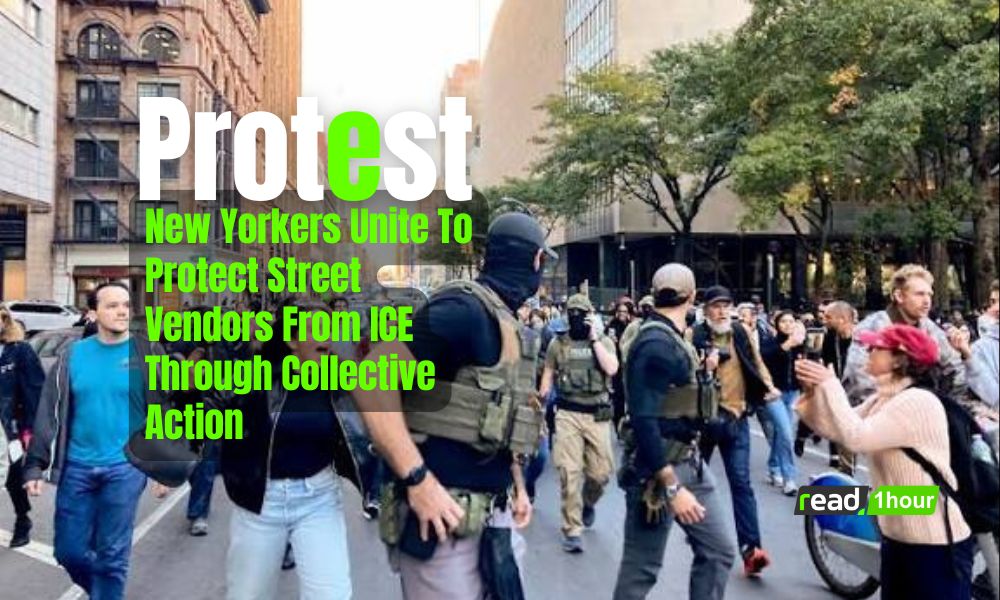
Street vendors are a vital part of New York’s cultural and economic fabric. From food carts and fruit stands to handmade goods, many vendors are immigrants who rely on daily sales to support their families. In recent months, reports of increased ICE activity and enforcement fears have triggered concern among local communities, prompting organized responses across multiple neighborhoods.
Volunteer-led networks have emerged to monitor streets, share real-time information, and provide legal guidance when needed. These groups often communicate through messaging apps and social media, alerting vendors when enforcement activity is spotted nearby. The goal is not confrontation, organizers say, but awareness, safety, and solidarity.
Community advocates argue that street vendors are being unfairly targeted despite contributing to local economies. Many vendors already face challenges such as limited permits, rising fines, and competition from large businesses. The added fear of immigration enforcement has only intensified their vulnerability. Supporters believe community protection efforts help restore dignity and reduce fear among workers who feel increasingly exposed.
Legal aid organizations have also joined the effort, offering free consultations and “know your rights” workshops. These sessions educate vendors about their legal protections, what to do if approached by enforcement officers, and how to access emergency assistance. According to advocates, knowledge is one of the strongest tools available to immigrant workers.
City officials have acknowledged the tension surrounding enforcement and public safety, while emphasizing that New York remains a sanctuary city. However, advocates say federal enforcement actions still create fear on the ground, regardless of city policy. This gap has motivated residents to take action themselves rather than rely solely on government assurances.
For many New Yorkers, the movement is about more than immigration—it’s about community values. Residents describe street vendors as neighbors, not strangers. Many customers have begun intentionally supporting vendors by shopping locally, tipping generously, and spreading awareness through online platforms.
The phrase “there’s power in numbers” has become a rallying cry at meetings and demonstrations. Organizers say collective visibility discourages unfair targeting and sends a clear message that street vendors are not alone. The movement has also attracted attention from labor unions, faith groups, and small business coalitions.
As enforcement debates continue nationwide, New York’s response highlights how local communities are shaping their own solutions. Whether through shared information, legal support, or public solidarity, residents are redefining what protection looks like at the neighborhood level.
For street vendors, the message is simple but powerful: their presence matters, their work is valued, and their community stands with them.