
Gaza Braces For Another Harsh Winter Amid Growing Humanitarian And Environmental Crisis
Gaza faces a severe winter as humanitarian needs grow, infrastructure collapses, and environmental damage deepens across the territory.
As winter approaches, Gaza is facing the prospect of another catastrophic season, with worsening humanitarian conditions and mounting environmental damage deepening the crisis for its population. Aid agencies and environmental experts warn that without urgent international assistance, the coming months could bring severe hardship for hundreds of thousands of residents already living in extreme vulnerability.
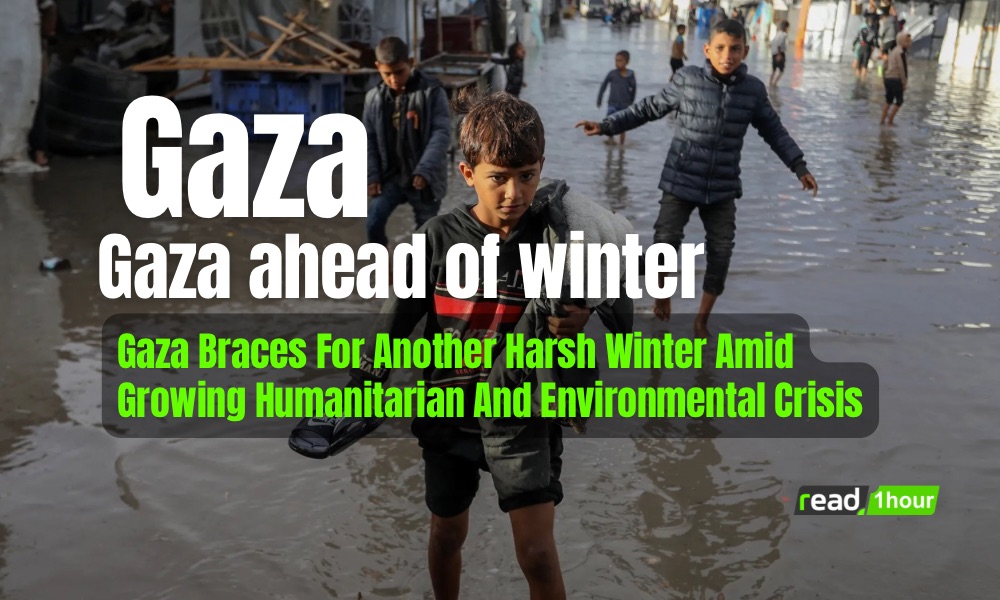
Years of conflict have left Gaza’s infrastructure fragile, and recent escalations have further damaged homes, water systems, and power networks. Large parts of the territory remain without reliable electricity, making heating during winter months nearly impossible for many families. With temperatures dropping and rainfall increasing, displaced residents living in temporary shelters face heightened risks of illness and exposure.
Environmental devastation has compounded the humanitarian emergency. Damage to sewage systems has led to untreated wastewater flowing into residential areas and the Mediterranean Sea, contaminating groundwater and increasing the spread of waterborne diseases. Environmental groups say this pollution could worsen during winter storms, as flooding spreads waste across densely populated neighborhoods.
Access to clean drinking water remains one of the most pressing concerns. According to humanitarian organizations, a majority of Gaza’s water supply is unsafe for human consumption. Winter flooding threatens to further contaminate already limited water resources, increasing the likelihood of disease outbreaks, particularly among children and the elderly.
Healthcare services are also under strain. Hospitals and clinics face shortages of fuel, medical supplies, and staff, limiting their ability to respond to seasonal illnesses. Cold weather often brings a rise in respiratory infections, and doctors fear the healthcare system may struggle to cope if conditions deteriorate further.
Food insecurity is another growing challenge. Disrupted supply chains and rising costs have left many families unable to secure sufficient nutrition. Winter conditions can restrict movement and access to markets, worsening hunger for households already dependent on aid. Relief agencies say funding gaps are limiting their ability to provide adequate food and winter supplies.
Humanitarian organizations are calling for immediate action, including emergency shelter repairs, fuel deliveries, clean water access, and winter clothing distribution. They warn that delays could lead to preventable suffering on a large scale. “This winter could be devastating without swift support,” one aid worker said, stressing the urgency of coordinated international response.
Beyond the immediate humanitarian impact, environmental experts caution that long-term damage is accelerating. Soil degradation, water pollution, and destruction of green spaces are undermining Gaza’s ability to recover sustainably. These environmental losses, they say, will continue to affect public health and livelihoods long after winter ends.
For Gaza’s residents, the approaching winter represents more than a seasonal challenge—it is a test of survival. Families are preparing as best they can with limited resources, while aid groups work against time and constraints to prevent a deeper crisis.
As global attention shifts between international emergencies, humanitarian leaders urge the world not to overlook Gaza’s worsening conditions. The coming winter, they warn, could mark one of the most difficult periods yet for a population already enduring prolonged hardship.