
Catastrophic Pacific Northwest Floods Force Massive Evacuations and Widespread Emergency Response
Catastrophic floods in the Pacific Northwest force 100,000 residents to evacuate as storms cause severe regional damage.
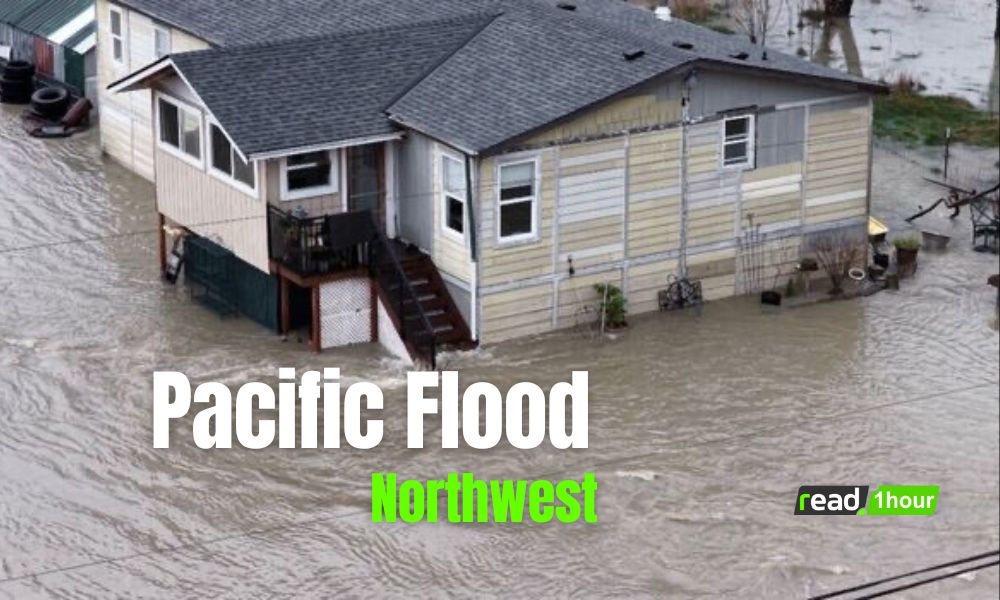
A devastating series of storms has unleashed catastrophic flooding across the Pacific Northwest, forcing more than 100,000 residents to evacuate as emergency teams race to control rising water levels. The region, already saturated from weeks of heavy rain, faced one of its worst flood events in decades as rivers burst their banks, highways disappeared underwater, and entire neighborhoods were left isolated.

The hardest-hit areas include parts of Washington, Oregon, and northern Idaho, where officials declared multiple states of emergency. Weather authorities reported that some regions received a month’s worth of rainfall in just 48 hours, overwhelming drainage systems and triggering landslides. Local leaders described the situation as “unprecedented” and warned that conditions could worsen with additional rainfall expected throughout the week.
Emergency rescue teams have been deployed across flood zones, using boats, helicopters, and high-water vehicles to reach stranded residents. In Washington’s Skagit Valley, one of the most severely impacted regions, families were evacuated from rooftops after water levels rose overnight, leaving communities with no warning. Schools, airports, and public offices have been closed, and power outages have affected nearly 200,000 homes.
The flooding has also caused major disruptions to transportation networks. Interstate routes were shut down due to mudslides, and rail services have been suspended in several locations. Officials say damage to roads and infrastructure could take months to repair, dealing a significant blow to the region’s economy.
Environmental experts say the floods highlight the growing vulnerability of the Pacific Northwest to extreme weather. Warmer atmospheric conditions have increased the intensity of the region’s storms, leading to heavier rainfall and greater flood risk. Climate scientists warn that similar events could become more frequent if long-term patterns continue.
Residents who have been displaced are taking shelter in emergency centers set up by local authorities and the Red Cross. Volunteers are working around the clock to distribute food, blankets, and medical supplies to families who lost their homes. Many affected individuals shared emotional stories of escaping rising waters within minutes, leaving behind belongings, vehicles, and in some cases, pets they could not rescue in time.
State and federal officials are coordinating to assess the full scope of the disaster and determine next steps for recovery. President Biden has been briefed on the situation and is expected to approve additional federal aid to support rebuilding efforts.
As the Pacific Northwest braces for more rain, officials urge residents to remain alert, avoid travel through flooded roads, and follow evacuation orders without delay. With recovery expected to take months, communities are preparing for a long and challenging road ahead.