
Inside Trump’s Second Term White House Power Structure And Loyal Enforcers
Inside Trump’s second-term White House as Susie Wiles and JD Vance reshape power dynamics.
As Donald Trump settles into his second term as President, the internal dynamics of the White House are coming into sharper focus. At the center of this evolving power structure stands Chief of Staff Susie Wiles, flanked by Vice President JD Vance and a tight-knit group of aggressive political operatives insiders have dubbed the “Junkyard Dogs.” Together, they are shaping an administration that appears more disciplined, centralized, and confrontational than Trump’s first term.
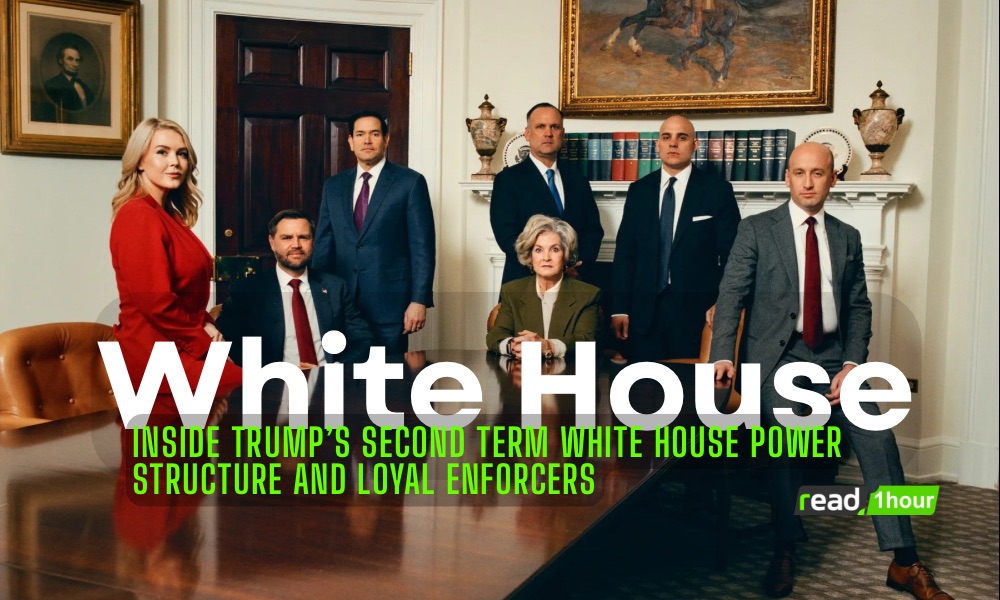
Susie Wiles, a veteran Republican strategist, has emerged as one of the most influential figures in the administration. Unlike the chaotic staffing patterns that marked Trump’s earlier years in office, Wiles is credited with bringing structure, message control, and strategic focus to the West Wing. Sources familiar with internal operations say she has streamlined decision-making and reduced public infighting, ensuring loyalty and execution over internal debate.
Wiles’ approach reflects lessons learned from Trump’s first presidency. Rather than competing power centers, the current White House emphasizes hierarchy and accountability. Advisors describe Wiles as firm but pragmatic, focused on advancing Trump’s agenda while minimizing distractions that previously undermined policy goals.
Vice President JD Vance plays a complementary role. Once known primarily as a populist critic of elite institutions, Vance has become a key bridge between the administration’s ideological base and its governing priorities. He has taken on a visible role in shaping policy messaging, particularly on economic nationalism, trade, and cultural issues that resonate strongly with Trump’s supporters.
The so-called “Junkyard Dogs” — a group of senior aides, communications strategists, and political enforcers — represent a more combative White House culture. Their mandate is clear: defend the president aggressively, counter media narratives in real time, and pressure lawmakers to align with the administration’s goals. Insiders say this team operates with a clear understanding of Trump’s expectations, leaving little room for dissent.
This structure marks a significant departure from Trump’s first term, which was often characterized by rapid staff turnover and ideological clashes. Political analysts note that the current setup suggests Trump is prioritizing execution over experimentation. With loyalists in key positions, the administration is moving quickly on immigration enforcement, regulatory rollbacks, and executive authority.
Critics argue that this consolidation of power raises concerns about transparency and checks within the executive branch. Supporters, however, view it as a necessary correction that allows an elected president to govern effectively without internal sabotage.
As Part 1 of this two-part series shows, Trump’s second-term White House is less chaotic but more confrontational, driven by loyalty, discipline, and a sharpened political edge. Part 2 will examine how this internal structure could influence Congress, the courts, and the 2026 midterm landscape.