
AI Pioneer Warns Gates And Musk Overlook Key Truth About Human Replacement
AI pioneer says Gates and Musk are right about risks but wrong about humans becoming fully replaceable.
As debates about artificial intelligence intensify, tech giants Bill Gates and Elon Musk remain two of the loudest voices warning that AI could eventually replace millions of human jobs. But this week, one of the world’s leading AI pioneers — often called the “Godfather of AI” — argued that while Gates and Musk may be right about AI’s long-term impact, they are overlooking a crucial reality about the future of human work.
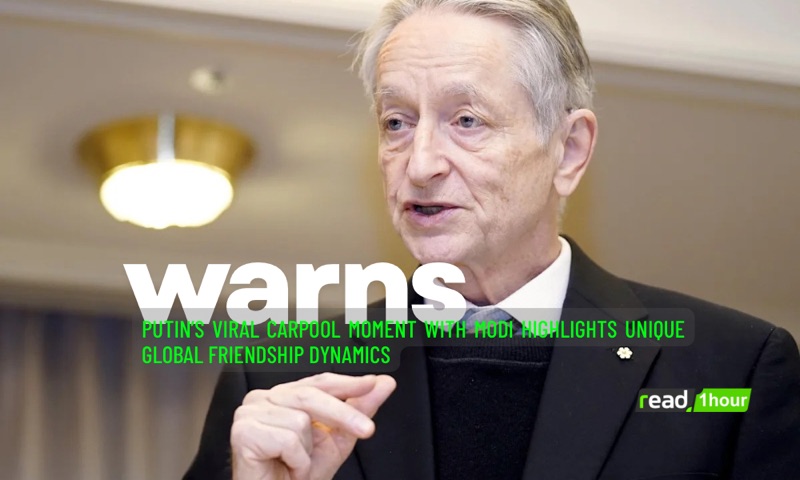
Speaking at an international technology forum, the AI pioneer emphasized that automation will undoubtedly reshape industries, yet humans are far from becoming obsolete. He noted that Gates and Musk often highlight the risks of advanced AI surpassing human intelligence, but the current generation of AI still depends heavily on human creativity, supervision, and moral decision-making.
According to experts, the main concern is not whether AI will take over every job, but how societies adapt. While AI systems can generate text, analyze data, and perform high-speed tasks, they struggle with emotional intelligence, long-term judgment, and complex human interactions. These limits, he suggested, are often missing from alarmist narratives.
The “Godfather of AI” explained that many predictions from Gates and Musk correctly identify potential risks — including job displacement and economic inequality — but they sometimes overshadow opportunities. AI could help eliminate repetitive work, boost productivity, and create entirely new job categories that don’t exist today. The world, he said, is on the edge of a transformation, not extinction.
This difference in perspective has sparked renewed discussion across the tech community. Supporters of Musk’s view argue that uncontrolled AI development could lead to dangerous outcomes. Gates, meanwhile, has repeatedly emphasized economic disruption, calling for stronger regulation and AI safety research.
But the AI pioneer insists the narrative must include human resilience. “History shows every major technological shift creates new forms of work,” he said, referencing industrial automation, the internet boom, and digital transformation.
Economists agree that the next decade will bring workforce restructuring, not total replacement. Jobs in healthcare, education, governance, creative industries, and skilled trades remain deeply human-driven. AI could become a powerful assistant — but not a complete substitute.
The speech quickly gained traction online, trending across tech forums and social media platforms. Users praised the balanced approach, saying the conversation needed more nuance rather than fear-driven predictions. Analysts believe this message may influence global policy debates as governments prepare for AI regulation and workforce modernization.
For now, the future of AI remains a moving target. Gates and Musk continue sounding alarms about long-term risks, while leading AI scientists push for more grounded conversations about what AI can and cannot do.
One message is clear: the world must prepare for change — but humans still have a vital role that machines cannot replace.