
Trump Sends Pentagon Officials To Ukraine To Revive Stalled Peace Negotiations
read1hour delivers latest news, stock market updates, gadgets, mobile reviews, and trending stories daily.
In a surprising diplomatic move, former U.S. President Donald Trump has sent senior Pentagon officials to Ukraine in an effort to restart long-stalled peace talks amid rising regional tensions. The unexpected initiative marks one of Trump’s most direct attempts in months to reassert U.S. influence in the ongoing Russia-Ukraine conflict.
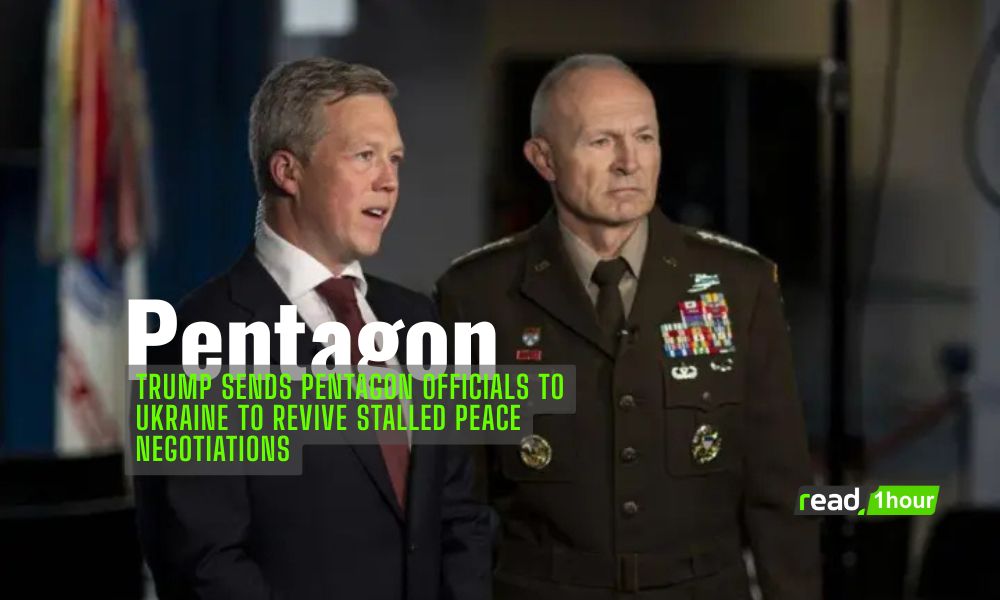
According to sources familiar with the mission, the Pentagon delegation includes high-ranking defense strategists and diplomatic advisors. Their goal is to meet Ukrainian military leaders and government officials to explore possible frameworks for renewed negotiations. The visit comes at a time when international efforts to broker peace have repeatedly stalled due to escalating battlefield activity and disagreements over territorial security.
Ukrainian officials confirmed the arrival of the delegation but emphasized that any peace discussions must align with Ukraine’s sovereignty and long-term security goals. Kyiv hopes the U.S. involvement will push Russia toward meaningful dialogue, though analysts caution that the Kremlin may view Trump’s renewed engagement as politically motivated rather than strategically neutral.
The White House, meanwhile, has not publicly commented on the mission. Still, insiders say Trump believes a breakthrough in Ukraine could strengthen America’s global standing and demonstrate decisive leadership in foreign policy—a key theme of his political messaging.
Peace negotiations between Russia and Ukraine have repeatedly collapsed due to disagreements over cease-fire terms, border control, and security guarantees. With the conflict continuing to strain global supply chains and fuel markets, the international community has called for stronger diplomatic intervention. The Pentagon’s involvement suggests a more hands-on approach by the U.S., even as tensions with Russia remain high.
Experts say the mission underscores the strategic importance of Ukraine in global geopolitics. “Any U.S. attempt to mediate—even unofficially—signals that Washington is aware of the broader consequences of this conflict,” said defense analyst Mark Reynolds. “This includes energy stability, NATO relationships, and European security.”
However, the initiative is not without controversy. Critics argue that Trump’s intervention could complicate existing diplomatic channels managed by the State Department and U.S. allies. Some lawmakers have raised concerns that sending military officials, rather than civilian diplomats, could send mixed signals about the U.S. role in the conflict.
Russia has not officially responded to the news, though Russian state media described the U.S. mission as “political theater.” Analysts believe Moscow will wait to see whether the Pentagon delegation proposes any concrete terms before reacting publicly.
For Ukraine, the visit represents cautious hope. President Volodymyr Zelenskyy has consistently pushed for stronger international involvement, arguing that global powers must unite to pressure Russia into a durable cease-fire.
Whether Trump’s effort will lead to meaningful progress remains uncertain. But as the conflict continues to reshape global alliances and economic stability, renewed U.S. engagement—especially from the Pentagon—could mark a turning point in the search for peace.