
ICE Sets New Record After Sending 600 Immigrant Children To Detention
ICE sends a record 600 immigrant children to federal shelters, raising concerns over detention conditions and child welfare standards.
In a development that has sparked national debate, U.S. Immigration and Customs Enforcement (ICE) has sent 600 immigrant children to federally run detention shelters so far this year—marking the highest annual number ever recorded. According to officials, the surge reflects rising border encounters and tighter immigration enforcement, raising renewed questions about the government’s responsibility toward migrant children.
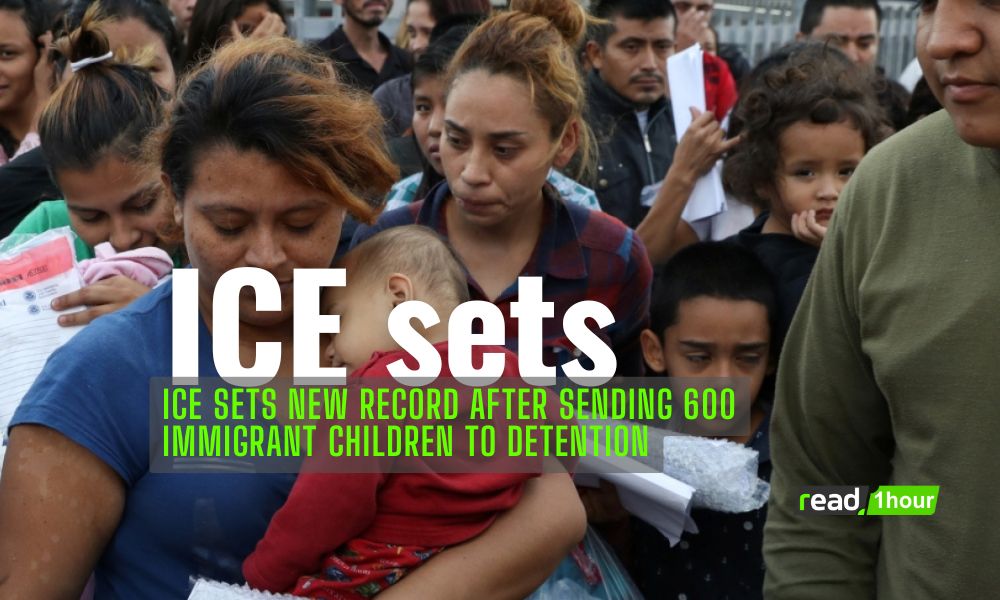
Federal data shows that these children, many arriving with relatives or alone, were transferred to shelters overseen by the Office of Refugee Resettlement (ORR). The agency claims the facilities meet safety standards, but immigrant advocates argue that the rising numbers show a system under heavy strain.
Experts say multiple factors contributed to the increase, including shifting migration patterns and stricter enforcement directives. Children from Central America, South America, and parts of Africa make up the majority of arrivals. Many traveled thousands of miles, escaping violence, poverty, or political instability in their home countries.
Despite improvements since the early pandemic years, shelters are still criticized for overcrowding, long processing times, and inconsistent access to mental-health support. Several children reportedly waited weeks before being reunited with approved guardians. Advocacy groups argue that the government should prioritize community-based housing instead of expanding detention centers.
ICE officials push back on the criticism, saying the agency follows established procedures and that the rise is simply a reflection of increased migration at the southern border. “Our responsibility is to ensure every child is processed securely and placed in ORR custody as required by law,” an ICE spokesperson said.
Still, the record-breaking number has reignited conversations on Capitol Hill. Lawmakers from both parties expressed concern but remain divided on solutions. Democrats insist that expanded humanitarian programs and faster family reunification are needed to reduce shelter populations. Republicans argue that the administration’s inconsistent border policies have encouraged an influx, calling for tougher enforcement.
Child welfare specialists warn that prolonged detention—regardless of facility conditions—can have lasting emotional consequences. Studies show that even short periods in confinement can lead to anxiety, sleep disruption, and behavioral issues among minors. “These are children experiencing trauma layered upon trauma,” said one child psychologist who works with migrant families.
Many immigrant-rights groups say the government must invest in reforms that prioritize safety, dignity, and rapid placement. Solutions often mentioned include expanding vetted foster programs, speeding up sponsor background checks, and increasing funding for legal aid to help children navigate immigration processes.
As legal and political battles continue, the 600-child record serves as a stark reminder of the complexities surrounding U.S. immigration policy. With migration expected to remain high for the foreseeable future, the challenge for the federal government will be balancing enforcement with humane treatment—especially for the youngest and most vulnerable arrivals.
For now, the numbers paint a sobering picture of a system stretched beyond capacity, leaving immigrant families and advocates demanding urgent change.