
Hong Kong Fire Tragedy Raises Questions Over Safety Failures And Accountability
Hong Kong fire kills dozens, leaves hundreds missing, raising urgent questions about safety failures, negligence, and government accountability.
Hong Kong is facing one of its darkest moments after a massive fire claimed more than 55 lives and left over 300 people missing, sparking widespread anger and raising critical questions about who is responsible for the devastating tragedy. The blaze, which tore through a densely populated residential and commercial district late Monday night, has shaken the city and drawn global attention to Hong Kong’s long-standing urban safety concerns.
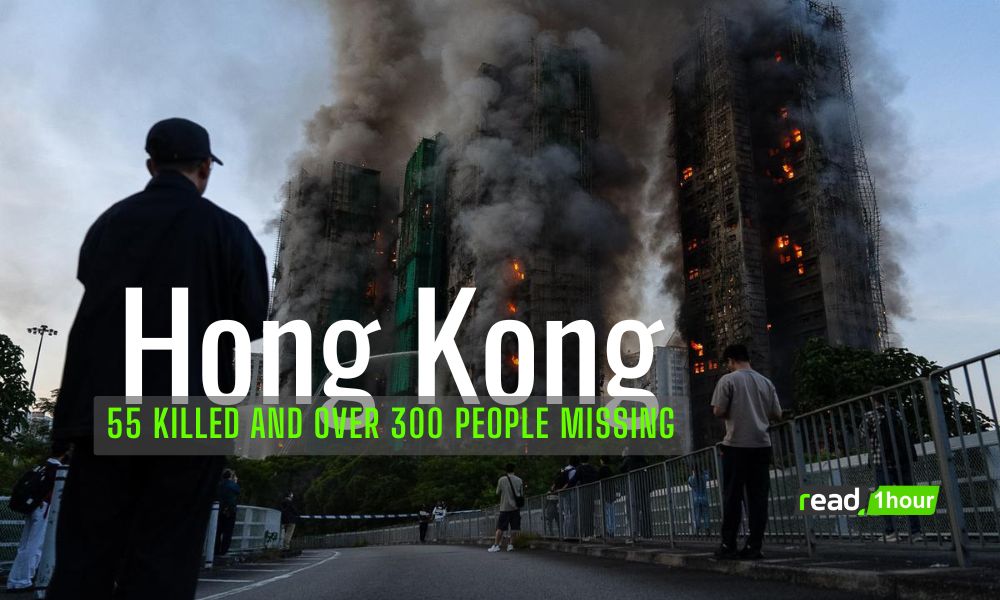
The fire is believed to have started in an aging high-rise building where hundreds of residents, workers, and visitors were present at the time. Witnesses reported hearing explosions before thick smoke engulfed the area, trapping dozens of people on upper floors and causing panic among families desperately searching for loved ones.
Emergency teams battled the flames through the night, but the intensity of the fire and the building’s outdated structure slowed rescue efforts. Firefighters described the scene as “extremely hazardous,” with narrow stairwells, malfunctioning emergency exits, and inadequate ventilation contributing to the high casualty numbers.
Authorities have not ruled out negligence, electrical failure, or improper storage of flammable materials as possible causes. Investigations are underway, but public frustration is growing rapidly. Many residents argue that repeated warnings about unsafe conditions in older buildings have been ignored for years due to bureaucratic delays, political tensions, and insufficient government oversight.
Local advocacy groups stated that hundreds of buildings across Hong Kong still lack updated fire safety systems. Despite the city’s modern skyline, older districts remain particularly vulnerable due to overcrowding and outdated infrastructure. “This disaster was preventable,” one safety expert said. “The warnings were there, but action was too slow.”
Families of the missing have gathered near hospitals, emergency shelters, and the disaster site, hoping for information. Volunteers and community organizations are providing food, water, and support as the search continues. Local authorities have urged the public to remain patient, but the lack of immediate answers has fueled public anger. Political leaders offered condolences and vowed a full investigation. Hong Kong’s Chief Executive described the tragedy as a “national emergency” and promised accountability once the facts are established. International leaders, including those from the United States, India, and the European Union, expressed solidarity with the victims and offered support.
The tragedy has also triggered debate over broader governance issues. Critics say political divisions and rigid bureaucracy have slowed infrastructure upgrades, while others argue that profit-driven development has overshadowed public safety. With the death toll rising and hundreds still unaccounted for, public pressure is mounting for immediate reforms. As rescue teams continue their search, Hong Kong grapples with grief, fear, and frustration. The coming weeks will determine whether the city takes serious action to address safety failures—or whether this tragedy becomes yet another reminder of long-ignored risks in one of the world’s most densely populated cities.