
Ethiopia’s Heli Volcano Awakens After Ten Millennia Of Deep Silence
Ethiopia’s Heli volcano erupts after 10,000 years, triggering evacuations and global scientific attention amid rising seismic activity.
Ethiopia has been thrust into the global spotlight after the sudden awakening of the Heli volcano, a massive geological structure believed to have been dormant for nearly 10,000 years. Geologists and disaster-response teams rushed to the Afar region this week after satellite sensors detected unusual seismic activity, followed by a dramatic eruption that lit up the sky with fiery lava fountains.
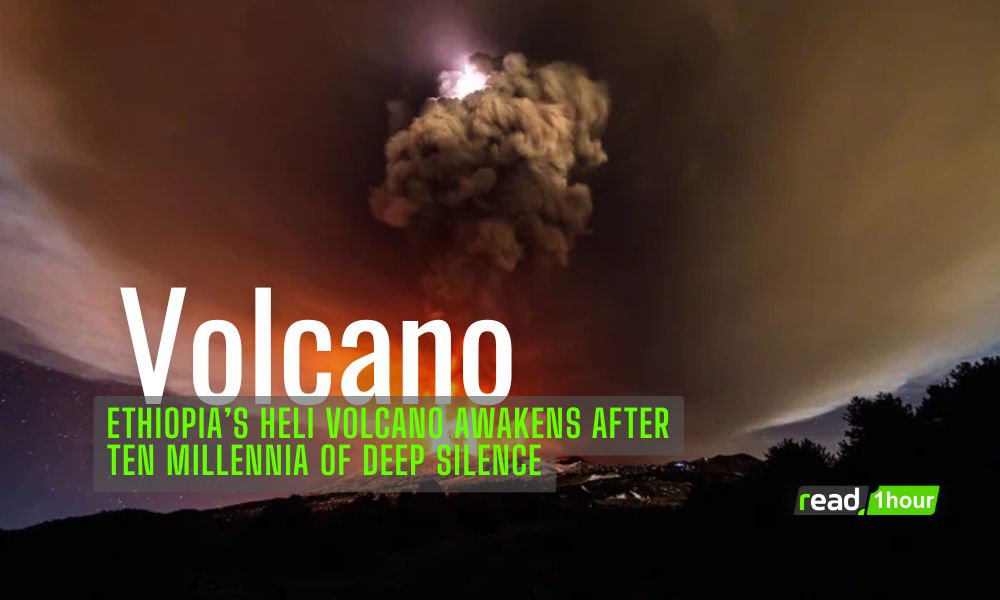
The Heli volcano, long considered one of the region’s “sleeping giants,” erupted with extraordinary force, sending columns of ash thousands of meters into the atmosphere. Residents living within a 40-kilometer radius reported the ground shaking violently moments before molten lava began emerging from newly formed fissures. Ethiopian authorities issued immediate evacuation orders, moving thousands of people from surrounding villages to emergency shelters.
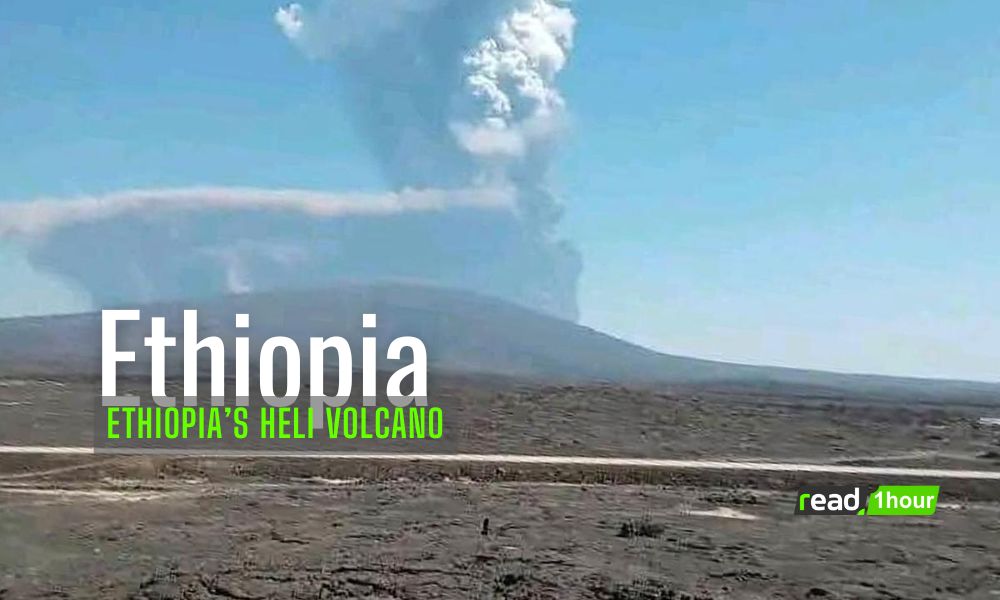
Experts describe the eruption as one of the most significant geological events in East Africa in recent decades. According to Dr. Mekonnen Tafa, a senior volcanologist with Ethiopia’s Geological Survey, the reactivation of a volcano dormant for millennia is extremely rare. “This eruption is a reminder that Earth remains dynamic and unpredictable. The Heli system has awakened with immense pressure,” he said.
As lava flows continue to spread across the rugged landscape, emergency teams are working to protect critical routes and nearby pastoral communities. The region, already known for its extreme heat and volcanic activity, is now experiencing hazardous air quality due to thick ash plumes drifting across northern Ethiopia. Flights over the area have been temporarily suspended as a safety precaution.
Satellite images from international space agencies show a glowing river of lava stretching several kilometers, carving new paths across the desert terrain. Authorities warn that the eruption could continue for days or even weeks, depending on underground pressure levels. Scientists are closely monitoring tremors through real-time seismographic equipment to predict further activity.
While the eruption poses immediate dangers, it has also captured global scientific interest. The Afar Depression—where the volcano sits—is one of the most geologically active regions on Earth, located at the junction of three tectonic plates. Many experts believe the current eruption could offer rare insights into continental rifting, a process that may eventually split landmasses over millions of years.
Local communities, however, are focused on survival. Aid organizations have begun delivering food, water, and medical supplies to displaced residents. Ethiopian Prime Minister Abiy Ahmed expressed deep concern for affected families and assured the nation of coordinated relief efforts. “Our priority is saving lives and providing urgent support,” he said in a televised statement. The awakening of the Heli volcano has reignited discussions about improving early warning systems in Africa’s volcanic zones. Despite the suddenness of the eruption, scientists say advanced monitoring technologies helped minimize casualties. For now, Ethiopia stands at a critical moment—facing both the destructive power of nature and the opportunity to learn from a volcanic event that has lain silent since prehistoric times.